Archives: 3
- Archival Document: 1
- Historical Photographs: 1
- Historical Newspapers: 1
- Letters and Postcards (text): 0
- Postcards (pictures), Posters, Flyers, etc.: 0
- Historical Films: 0
- Artifacts: 0
Testimonies: 2
- Survivor - Video testimony: 1
- Survivor - Written testimony: 0
- Survivor - Your Interview: 0
- Witness - Video testimony: 1
- Witness - Written testimony: 0
- Witness - Our Interview: 0
Libraries (recommendation): 3
- Literature (non-fiction) - Scientific literature recommendation: 1
- Literature (non-fiction) - Biography recommendation: 0
- Literature (non-fiction) - Textbooks and literature recommended for education: 1
- Literature and Art - Poetry recommendation: 0
- Literature and Art - Novels, Stories: 0
- Literature and Art - Visual art, Music: 1
Field research recommendation: 3
- Museum, Monument, Memorial, and other marked authentic sites - recommendation: 1
- Authentic sites (not marked) - Sites where relevant historical events took place: 0
- Authentic sites (not marked) - Sites where the events of your story took place - recommendation: 1
- Visit/get in touch with the community/ association/ organization/ representatives of the victim group - recommendation: 1
Records and Tasks
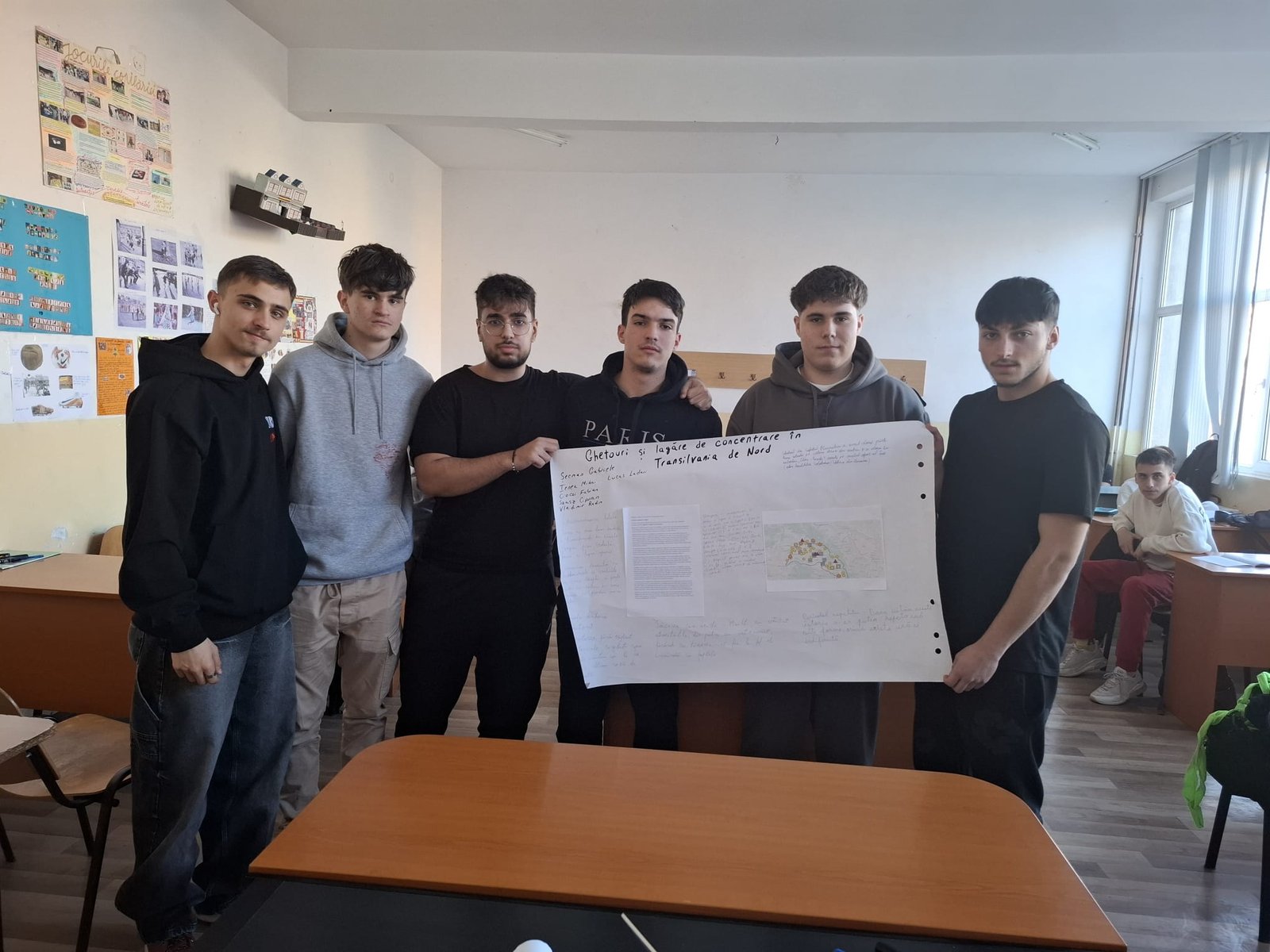
Archival Document - research based on archival documents
Students researched the Holocaust based on archival documents.
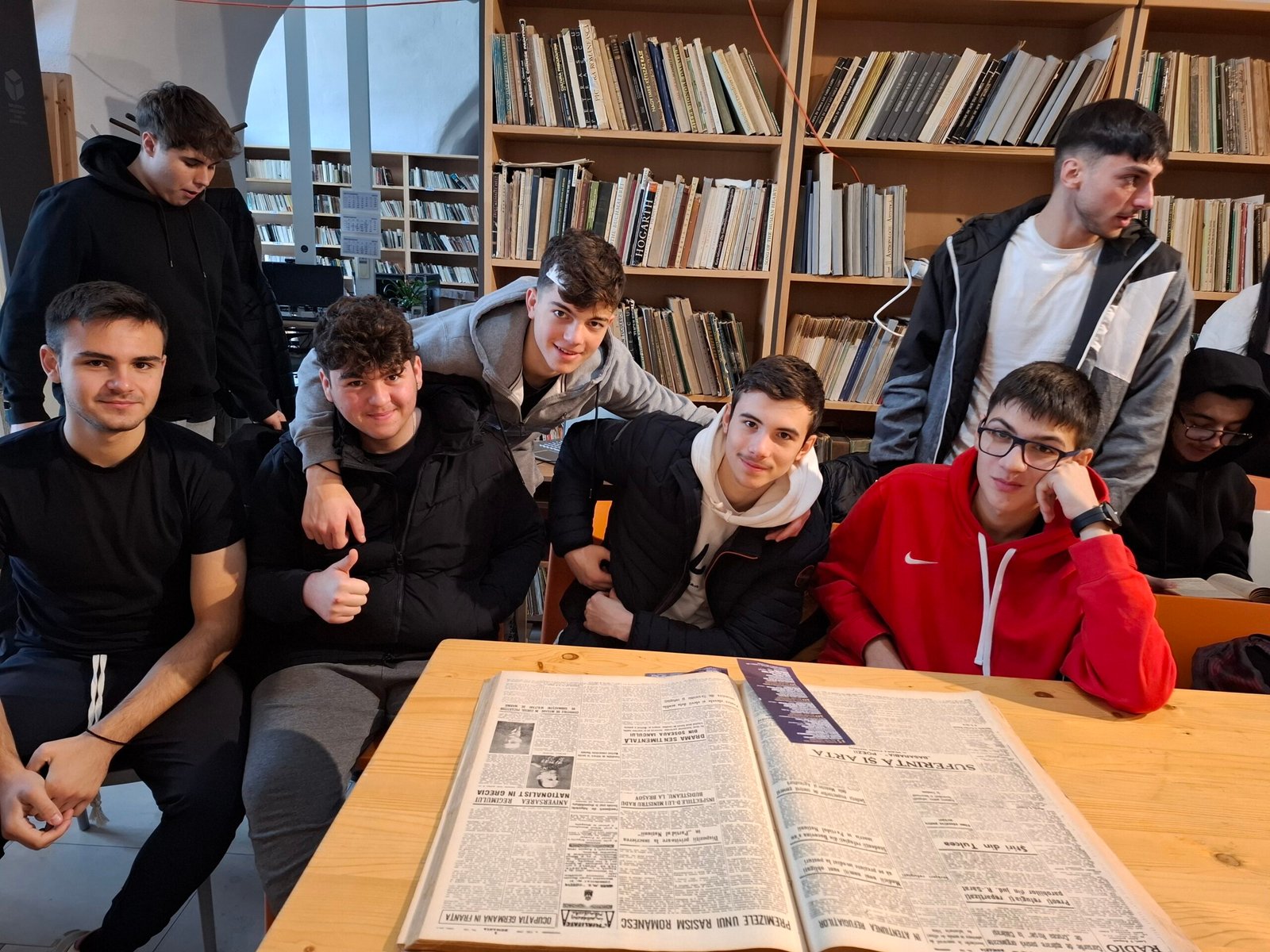
The students watched a film on the subject of the Holocaust and received several newspapers from the Second World War about the anti-semitic legislation in Romania and the measures taken during the leadership of General Ion Antonescu regarding the Jews.
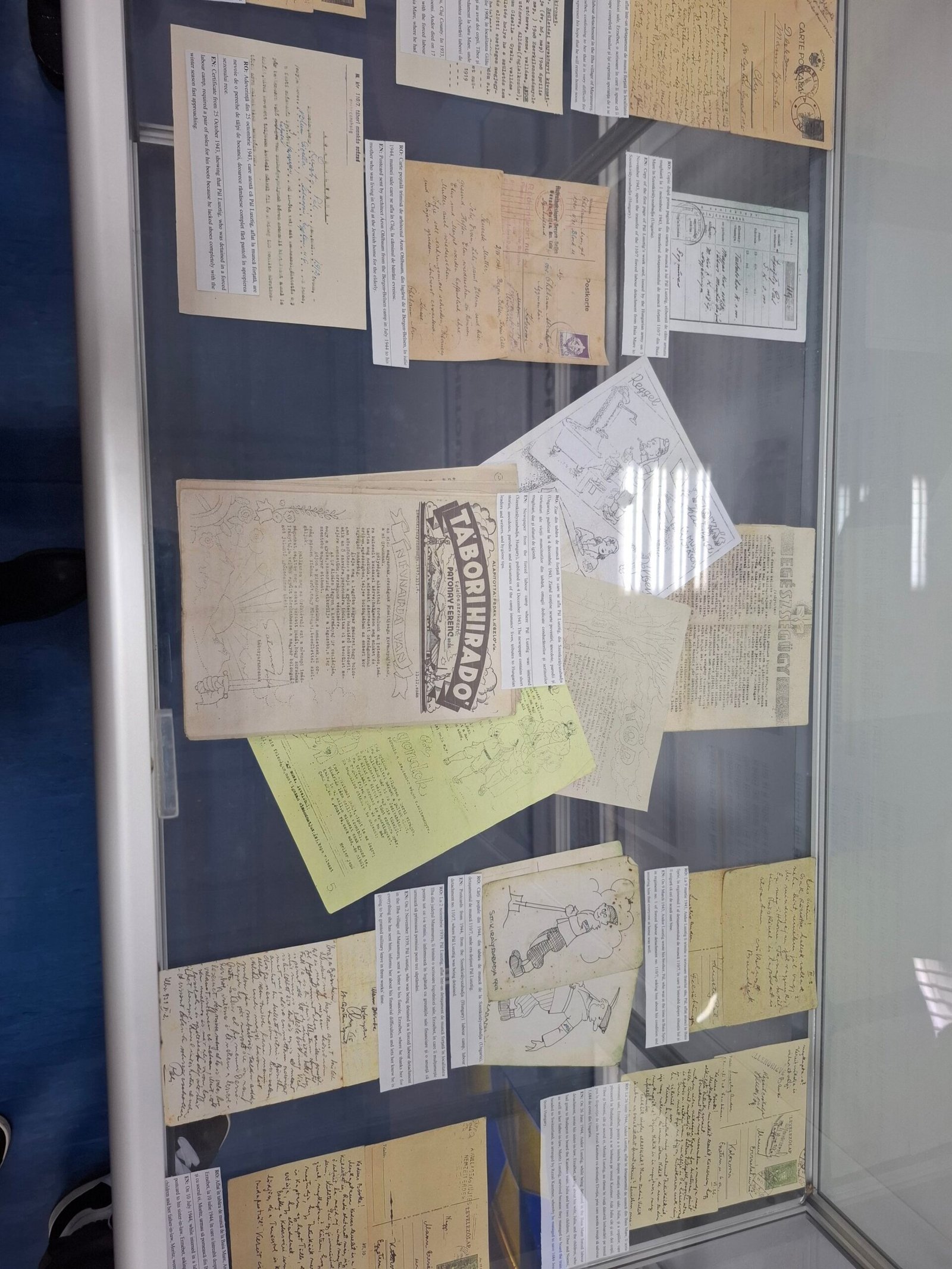
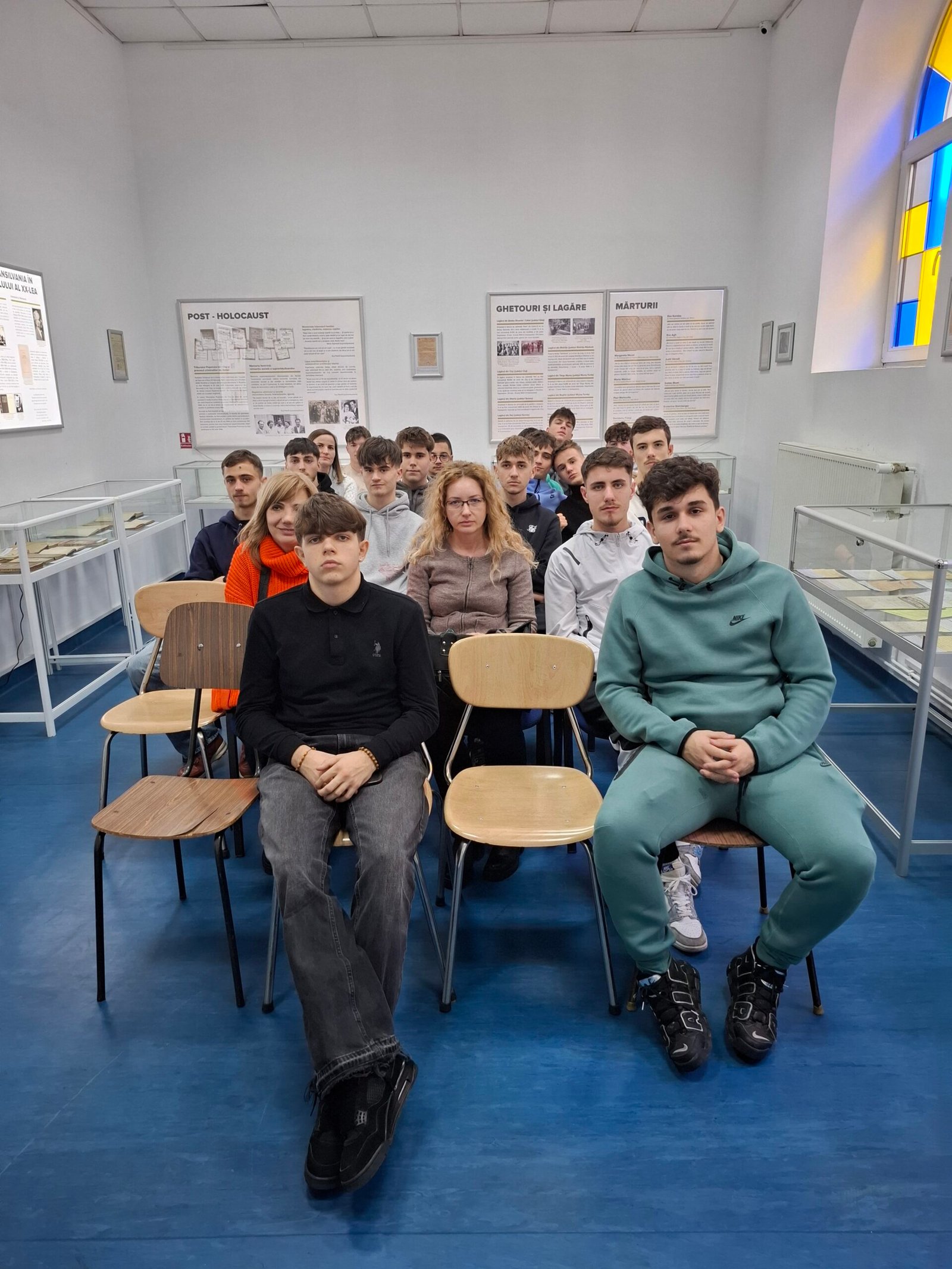
Mr. Gelu Păcurar from the Holocaust Museum presented the life of the Jews before Holocaust, the deportations from northern Transylvania starting with 1940, when this territory was ceded to Hungary. We watched 2 videos with the testimonies of Holocaust survivors. We also received access to the documents from the museum that we study with the whole class, during the Jewish history classes.
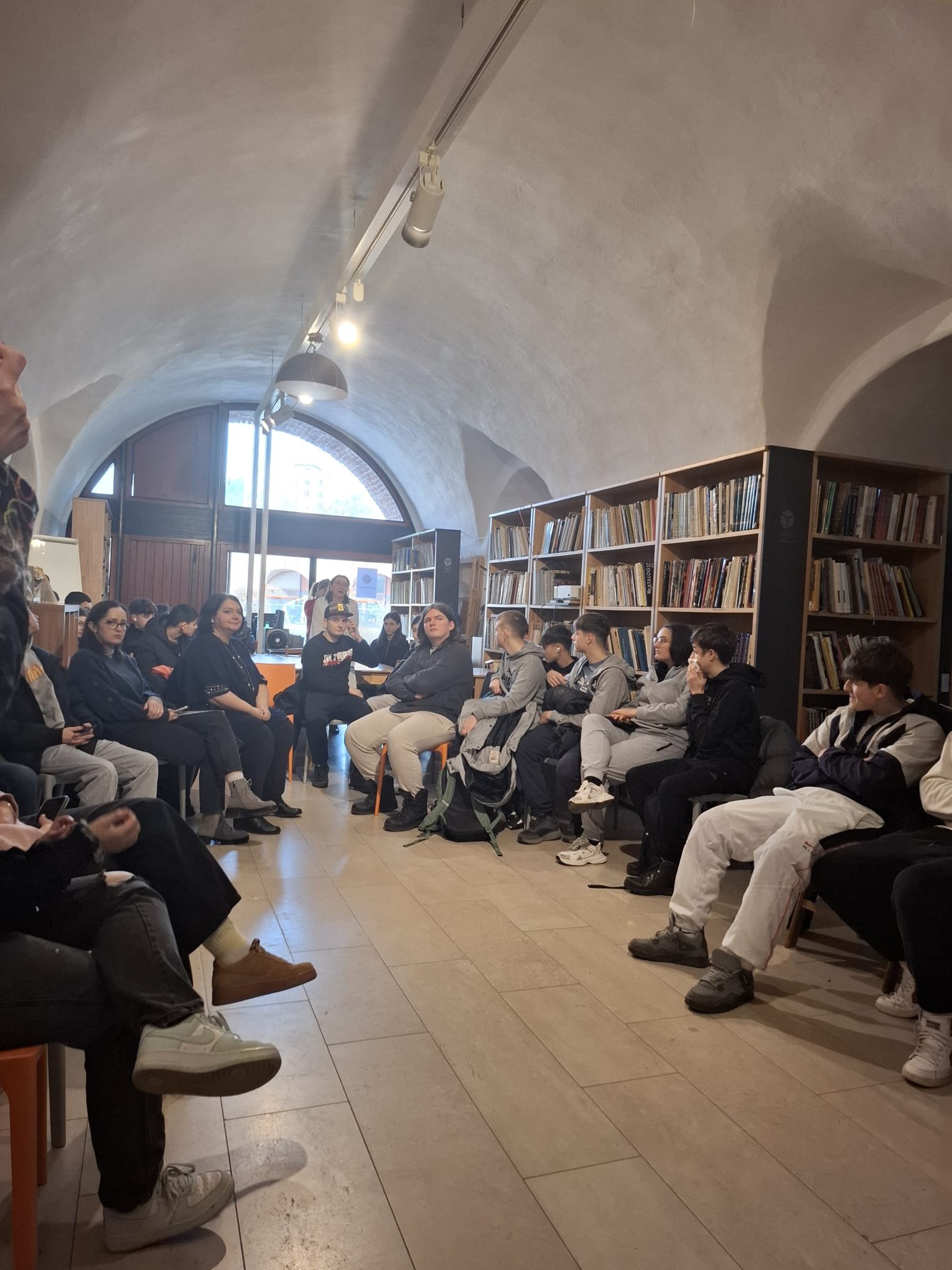
Professor Luciana Fiedmann, president of the Jewish Community in Timisoara, and Adrian Mirescu the president of the Roma Community in Timisoara presented to the students what happened to the Jews and Roma during the Holocaust. The students were very curious and asked the representatives of Jewish and Roma community questions related with the Holocaust
Students listened to Martin Schottek's testimony about the situation of Jews in the Banat region and Timisoara during the Holocaust
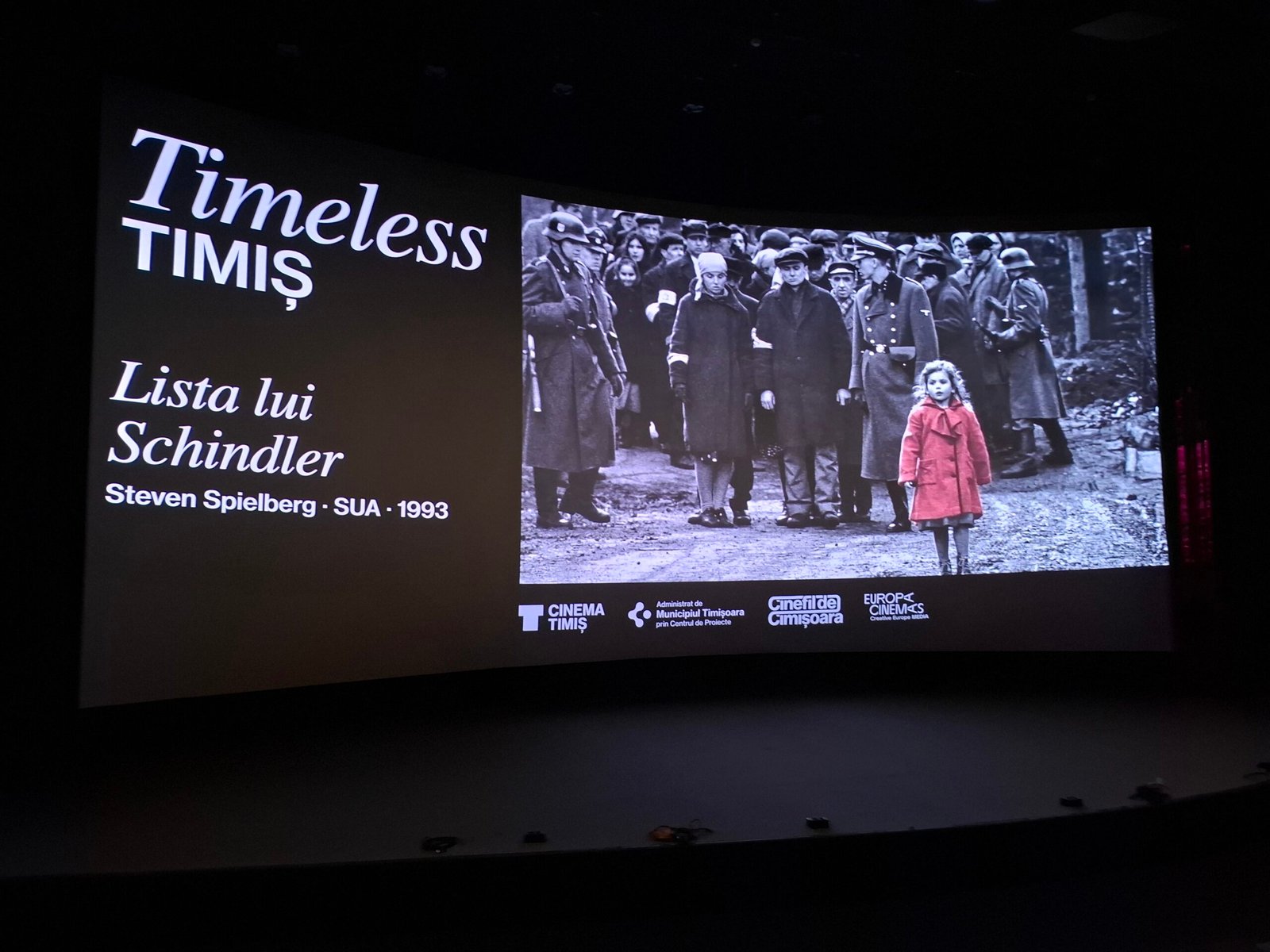
The students watched Schindler's List film, special screening for students at the Timis Cinema, as a result of the 80th anniversary of the liberation of the Auschwitz concentration camp and the International Holocaust Remembrance Day
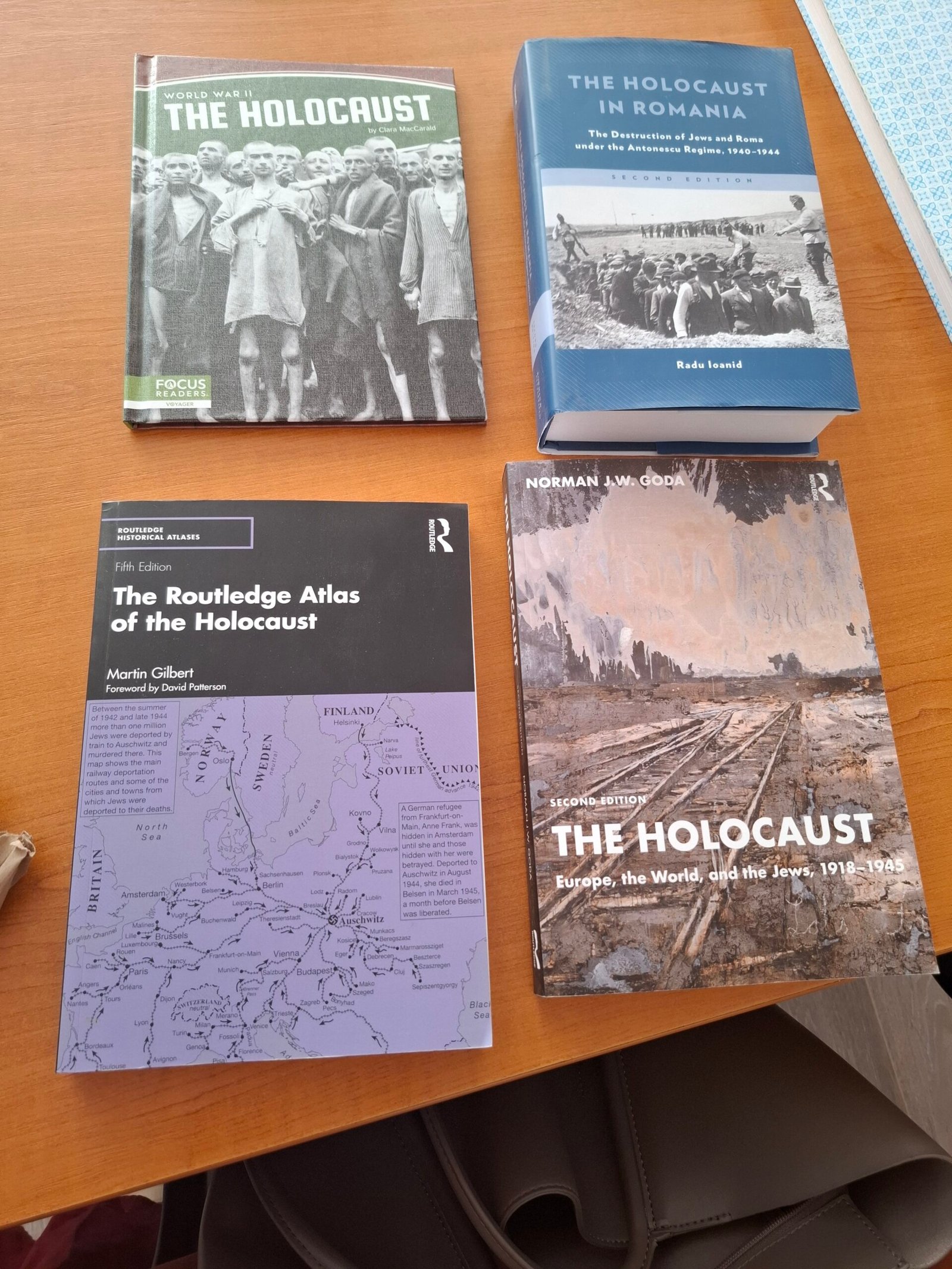
Textbooks and literature recommended for education
The students read history books: 1. Holocaust, Clara MacCarald 2. Holocaust, Europe, the World, and the Jews, 1918-1945 (USA) Norman J.W. (University of Florida Goda 3. The Holocaust in Romania The Destruction of Jews and Gypsies Under the Antonescu Regime, 1940-1944 Radu Ioanid 4. The Routledge Atlas of the Holocaust Martin Gilbert
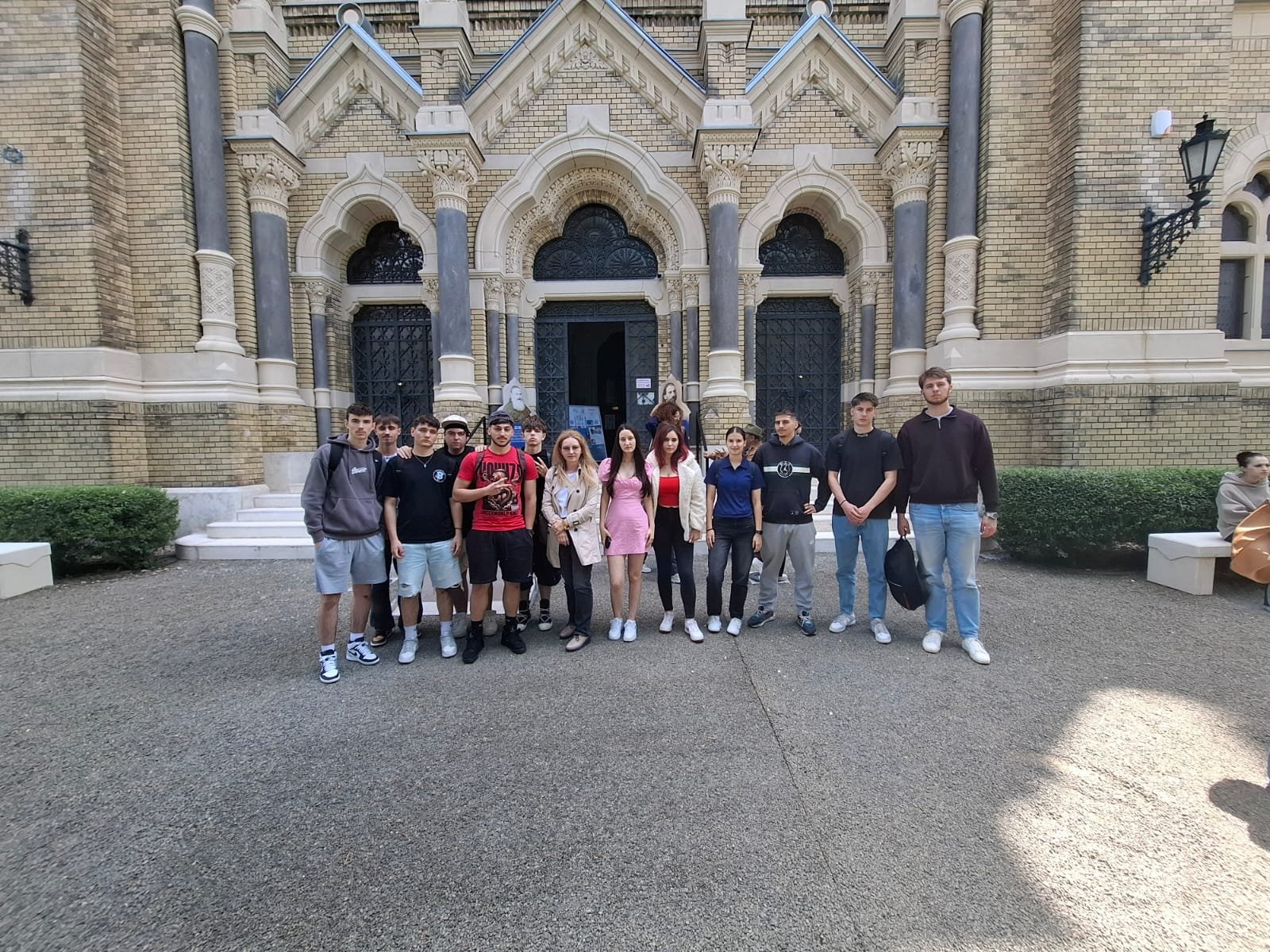
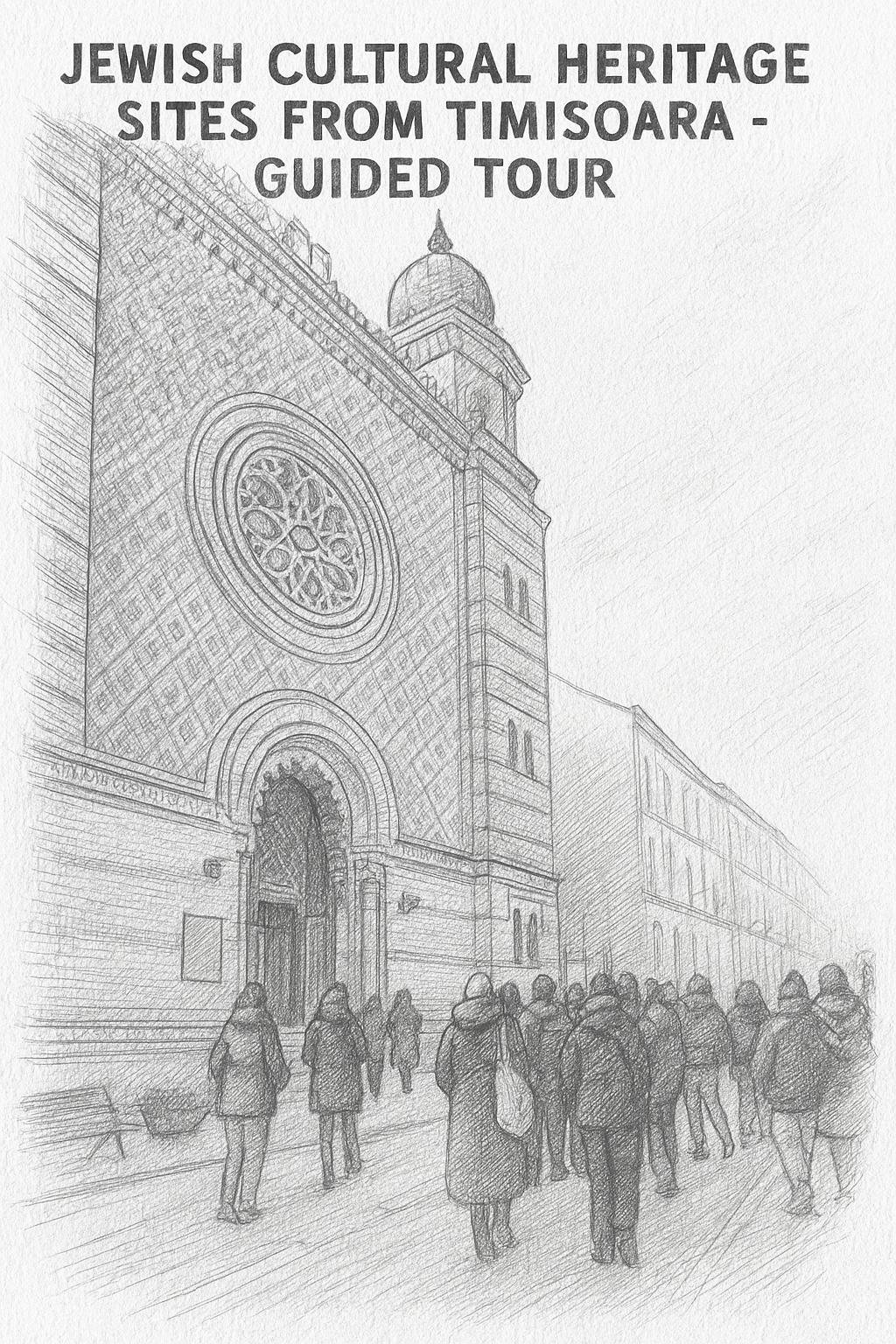
The students participated in a guided visit to the Synagogue in Szeged, where they were able to learn about the history of the Jewish community in Szeged and the Anti-Jewish policies în Hungary Starting in 1938, Hungary under Miklós Horthy passed a series of anti-Jewish measures in emulation of Germany's Nürnberg Laws. Following the German occupation of Hungary on March 19, 1944, Jews from the provinces were deported to the Auschwitz concentration camp; between May and July that year, 437,000 Jews were sent there from Hungary, most of them gassed on arrival. In Arad, students discovered Francisc Neuman, a Jewish aristocrat who owned several factories in Arad and saved Jews by employing them in his factories. He was passionate about football and built the stadium that today bears his name -Francisc Neuman Arena.
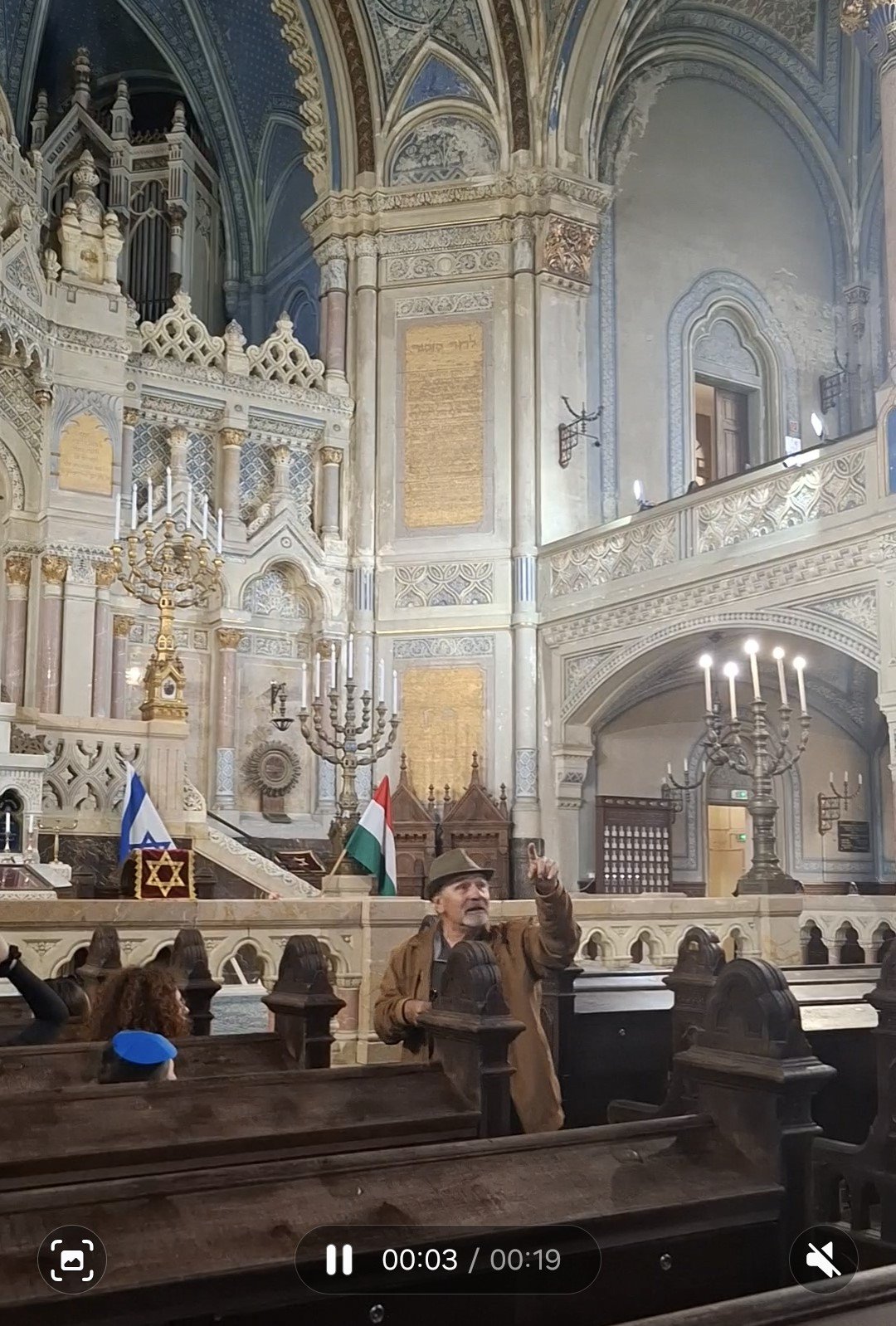
Testimony at the Szeged Synagogue
At the synagogue in Szeged, students listened to the testimonies of a descendant of a Holocaust survivor: jews from the provinces were deported to the Auschwitz concentration camp, most of them being gassed immediately after they arrived there .
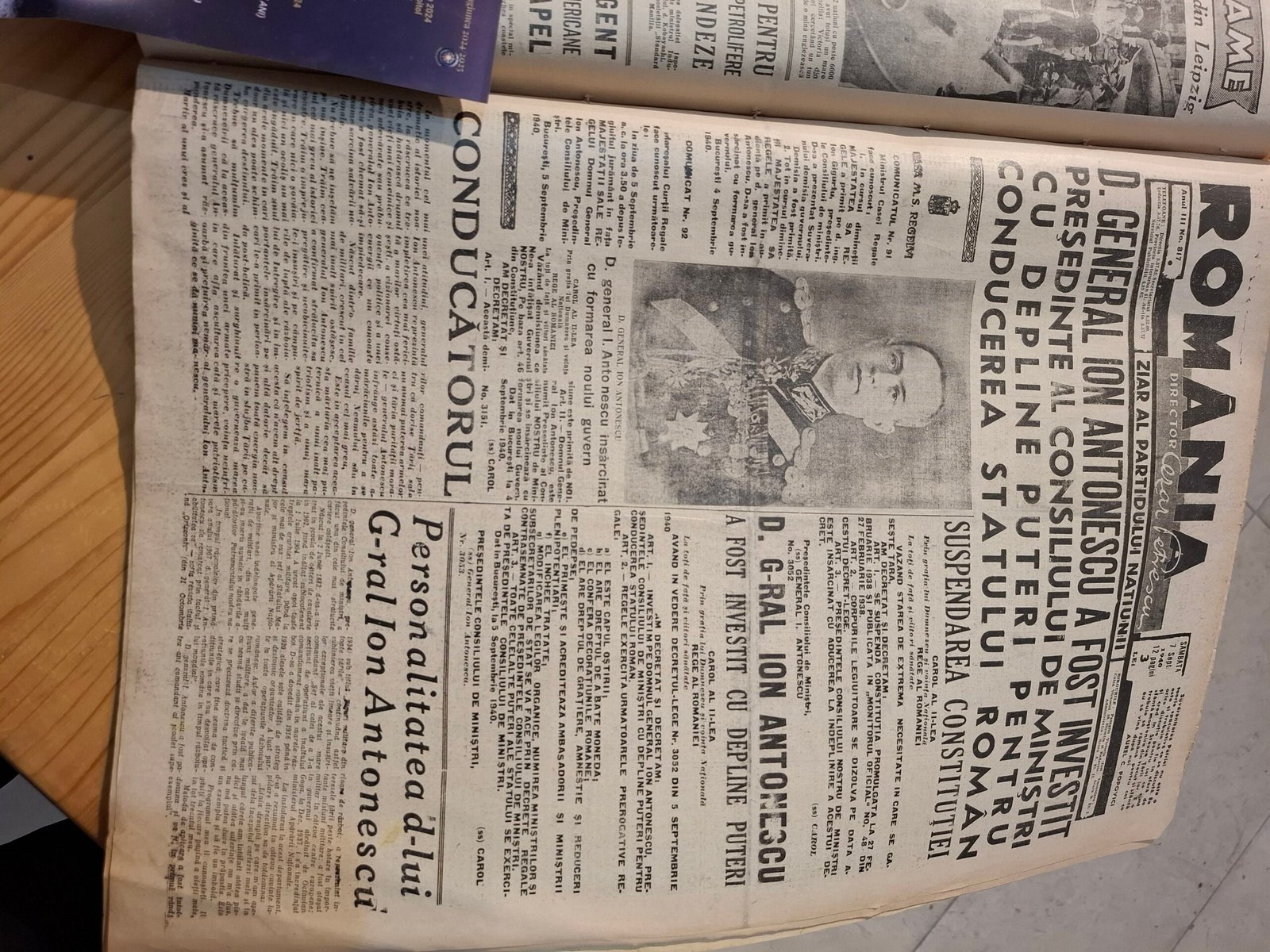
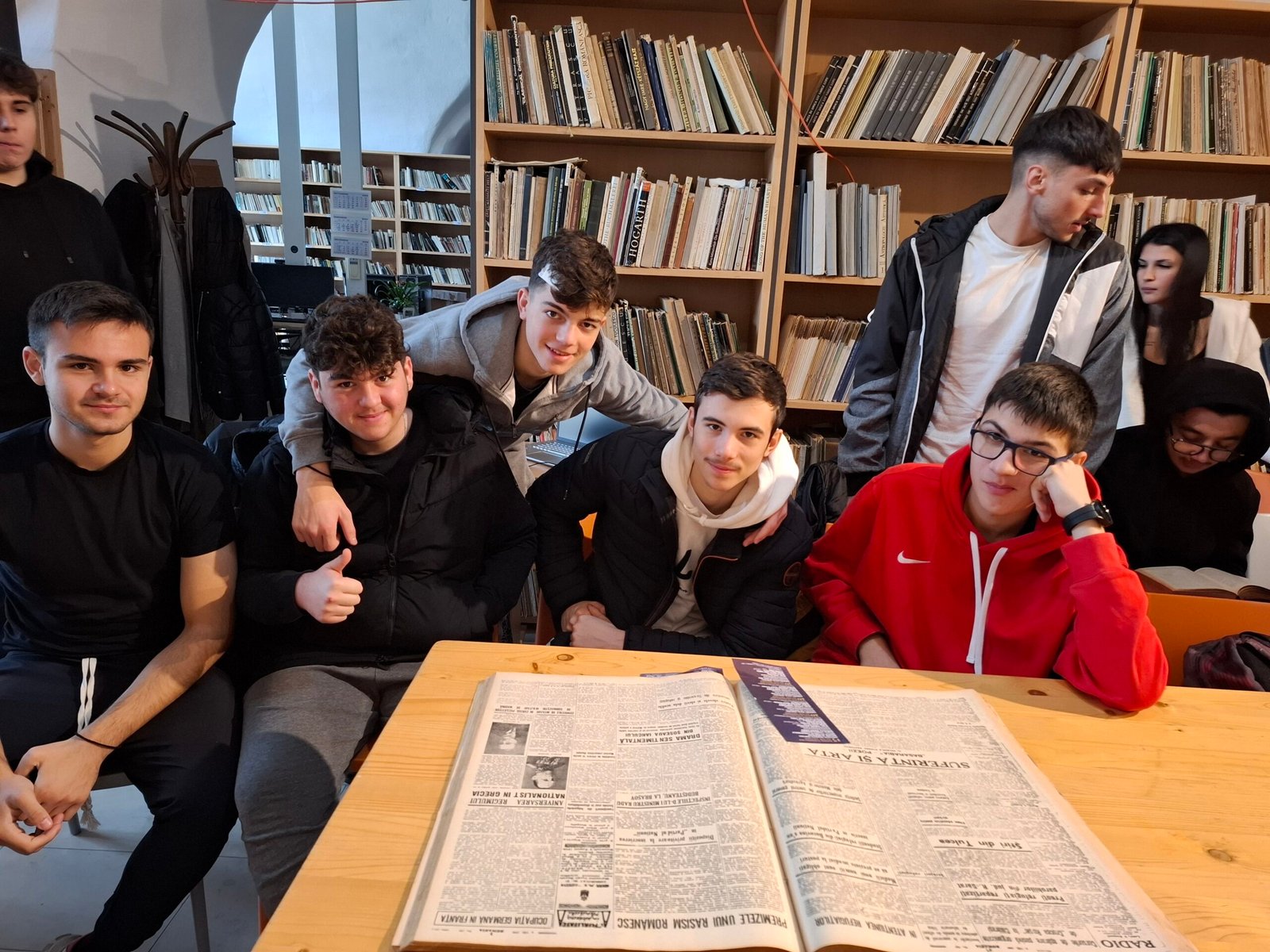
Historical newspapers from timis County Library
The students participated in a documentation session on the topic of the Holocaust and local history at the Documentary - periodical section of the Timis County Library. Here, they received several newspapers from the Second World War about the anti-semitic legislation in Romania and the measures taken during the leadership of General Ion Antonescu regarding the Jews.
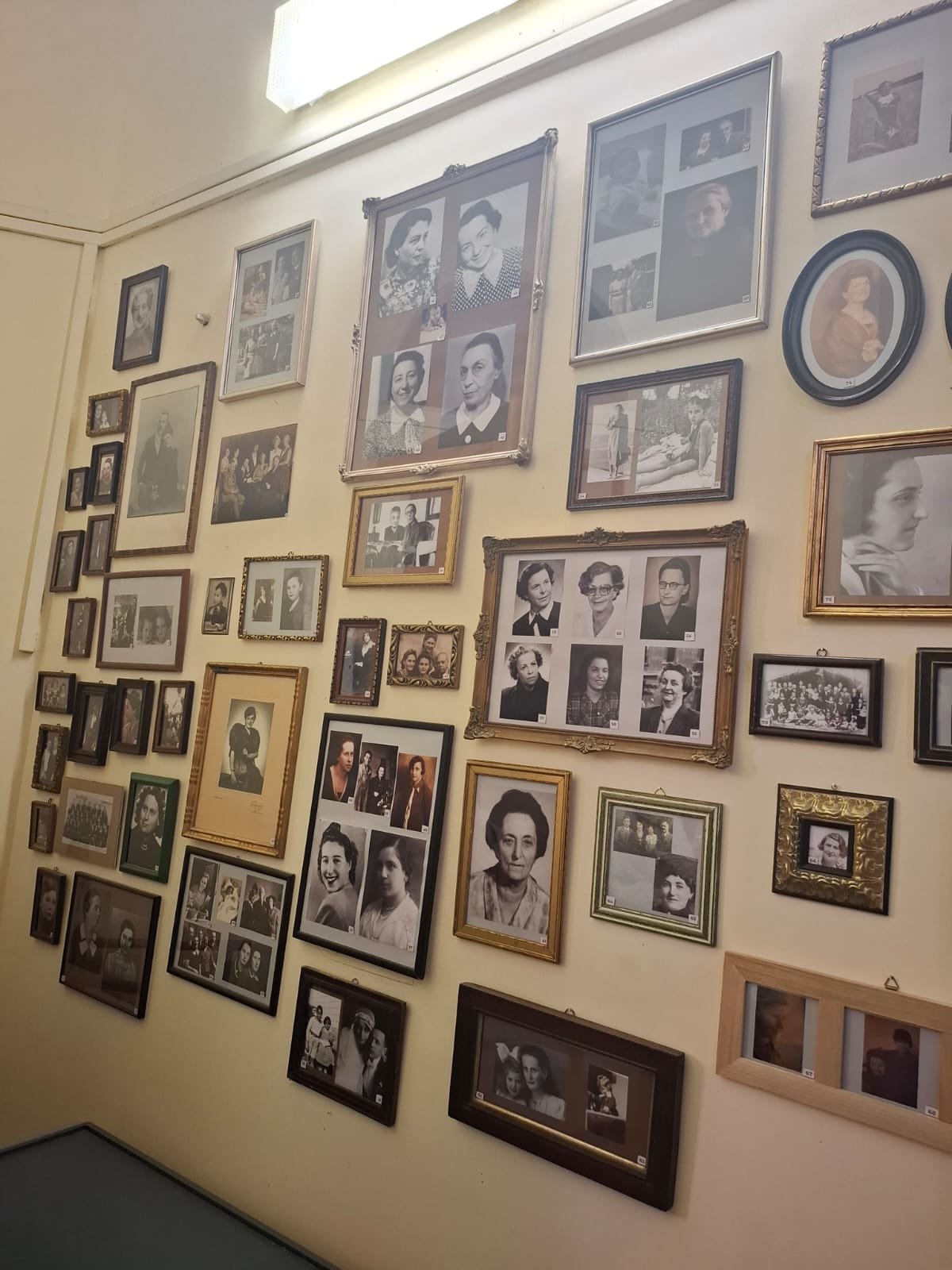
Historical images from Szeged Synagogue
In the synagogue in Szeged there are pictures and short biographies of the Jews from Hungary who were deported to camps by the Nazi regime.
Project Journal
1. Documentary session on the topic of the Holocaust and local history at the Documentary - Periodicals newspapers section of the Timis County Library
The students participated in a documentation session on the topic of the Holocaust and local history at the Documentary - periodical section of the Timis County Library. Here they watched a film on the subject of the Holocaust and received several newspapers from the Second World War about the anti-semitic legislation in Romania and the measures taken during the leadership of General Ion Antonescu regarding the Jews.
2. Holocaust documentation session at the Holocaust Museum in Northern Transylvania, within Babes Boyai University Cluj Napoca
Students participated in a Holocaust documentation session at the Holocaust Museum in Northern Transylvania, within Babes Boyai University Cluj Napoca.
Mr. Gelu Păcurar from the Holocaust Museum presented the students the life of the Jews before Holocaust, about the deportations from northern Transylvania starting with 1940, when this territory was ceded to Hungary. The students were also able to watch 2 videos with the testimonies of Holocaust survivors. We also received access to the documents from the museum that we study with the whole class, during the Jewish history classes.
3.Schindler's List film
The students watched Schindler's List film, special screening for students at the Timis Cinema, as a result of the 80th anniversary of the liberation of the Auschwitz concentration camp and the International Holocaust Remembrance Day.
Project Journal - Photo Gallery